
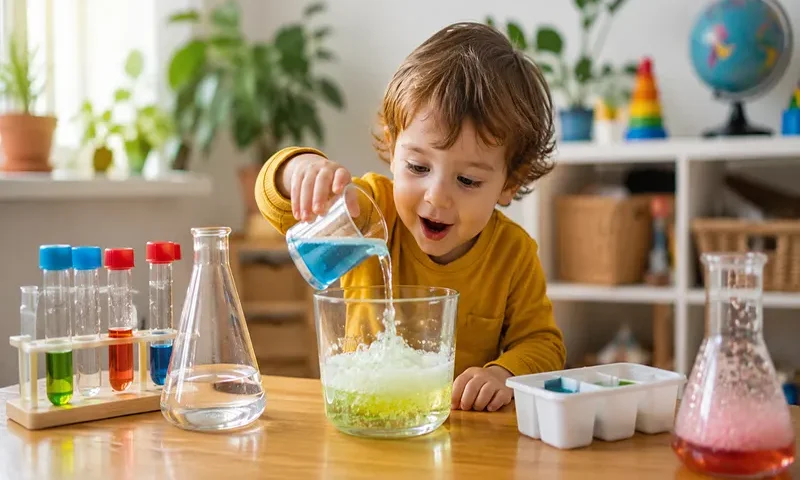
Science is all around us, and toddlers are naturally curious about the world they see every day. From watching rain fall outside the window to observing how ice melts in a cup, young children are constantly exploring and learning. Introducing simple science activities at home can help nurture this curiosity while developing critical thinking, observation, and problem-solving skills.
The best science activities for toddlers are hands-on, safe, and playful. They don’t require expensive materials or complicated instructions. Instead, they use everyday household items to create exciting learning experiences. Here are some fun hands-on science learning activities that parents can enjoy with their toddlers at home.
Why Science Activities Are Important for Toddlers
Science activities help toddlers develop important skills beyond academic learning. Through exploration and experimentation, children learn to:
- Ask questions
- Make observations
- Compare results
- Recognize patterns
- Develop language skills
- Improve fine motor abilities
- Build confidence in learning
Most importantly, science encourages curiosity and creativity, helping children become lifelong learners.
Color Mixing Magic
One of the easiest science activities for toddlers involves mixing colors. This simple experiment introduces basic concepts about how colors combine to create new ones.
What You’ll Need:
- Clear cups or bowls
- Water
- Food coloring
- Spoons
Activity:
Fill several cups with water and add red, yellow, or blue food coloring. Let your toddler mix two colors together and observe what happens.
For example:
- Red + Yellow = Orange
- Blue + Yellow = Green
- Red + Blue = Purple
Children are often amazed by the transformation, making this a memorable introduction to scientific observation.
Sink or Float Experiment
Toddlers love playing with water, making this activity both educational and entertaining.
What You’ll Need:
- A large container of water
- Various household objects
Examples:
- Spoon
- Toy car
- Leaf
- Block
- Plastic cup
- Coin
Activity:
Ask your child to guess whether each item will sink or float before placing it in the water.
This simple experiment teaches prediction skills and introduces concepts related to weight, density, and buoyancy.
Growing Beans in a Jar
Watching a seed grow into a plant is an exciting science lesson for young children.
What You’ll Need:
- Clear jar
- Cotton balls
- Bean seeds
- Water
Activity:
Place damp cotton balls inside the jar and add several bean seeds. Position the jar near a sunny window.
Over the next several days, your toddler can observe:
- Root growth
- Stem development
- Leaf formation
This activity teaches children about plant life cycles and the basic needs of living things.
Ice Melting Investigation
Ice experiments help toddlers understand changes in matter while keeping them engaged through sensory play.
What You’ll Need:
- Ice cubes
- Several bowls
- Warm water
- Salt
Activity:
Place ice cubes into different bowls and experiment with various conditions.
Try:
- Ice alone
- Ice in warm water
- Ice with salt
Encourage your toddler to observe which ice cube melts fastest. This activity introduces concepts of temperature and change.
Nature Scavenger Hunt
Science doesn’t always need to happen indoors. Outdoor exploration provides countless learning opportunities.
What You’ll Need:
- Small basket or bag
- Simple checklist
Items to find:
- Green leaf
- Flower
- Rock
- Stick
- Feather
Activity:
Take a walk around your yard, neighborhood, or local park and search for natural objects.
Discuss:
- Colors
- Shapes
- Sizes
- Textures
This activity develops observation skills while helping children connect with nature.
Baking Soda and Vinegar Fun
This classic science activity creates exciting fizzing reactions that toddlers love.
What You’ll Need:
- Baking soda
- Vinegar
- Small container
- Food coloring (optional)
Activity:
Add baking soda to a container and slowly pour in vinegar.
Children will enjoy:
- Watching bubbles form
- Hearing fizzing sounds
- Observing chemical reactions
Always supervise closely, but allow children to participate safely in the process.
Shadow Exploration
Shadows provide an excellent introduction to light and movement.
What You’ll Need:
- Flashlight
- Toys
- Dark room
Activity:
Use a flashlight to create shadows on a wall.
Experiment with:
- Different objects
- Various distances
- Hand shadows
Ask questions such as:
- What happens when the object moves closer?
- Why does the shadow change size?
This encourages scientific thinking and discovery.
Sensory Science with Water Beads
Water beads offer a fascinating sensory experience while introducing concepts of absorption.
What You’ll Need:
- Water beads
- Water
- Large container
Activity:
Let your toddler observe tiny beads before adding water.
Over time they can watch:
- Beads grow larger
- Changes in texture
- Differences in size
Always supervise carefully, especially with younger toddlers, to prevent accidental swallowing.
Rainbow Walking Water Experiment
This colorful activity demonstrates how water moves between containers.
What You’ll Need:
- Clear cups
- Water
- Food coloring
- Paper towels
Activity:
Arrange cups with colored water and connect them using folded paper towels.
Over time, children can observe water traveling through the towels and mixing colors.
This simple experiment introduces basic concepts related to absorption and movement of liquids.
Magnet Discovery Play
Magnets fascinate toddlers and provide opportunities for hands-on exploration.
What You’ll Need:
- Child-safe magnet
- Various household items
Examples:
- Paper clips
- Keys
- Plastic toys
- Wooden blocks
Activity:
Test which objects are attracted to the magnet.
Encourage children to sort items into:
- Magnetic
- Non-magnetic
This helps develop classification skills while introducing physical science concepts.
Bubble Science
Bubbles combine fun and learning in a way that toddlers naturally enjoy.
What You’ll Need:
- Bubble solution
- Bubble wand
Activity:
Blow bubbles and observe:
- Size differences
- Shapes
- Movement through the air
Ask questions like:
- Why do bubbles float?
- What happens when they touch something?
These observations help develop curiosity and scientific thinking.
Exploring Textures
Science also includes sensory exploration.
What You’ll Need:
A collection of materials such as:
- Cotton
- Sandpaper
- Fabric
- Sponge
- Aluminum foil
Activity:
Allow toddlers to touch and compare different textures.
Discuss:
- Soft
- Rough
- Smooth
- Bumpy
This activity strengthens descriptive language and observation skills.
Tips for Successful Toddler Science Activities
To make science learning enjoyable:
- Keep activities short and simple
- Focus on exploration rather than correct answers
- Encourage questions
- Allow hands-on participation
- Celebrate curiosity
- Ensure safety at all times
Remember that the goal is not to teach complex scientific theories but to encourage discovery and wonder.
In summarize, fun hands-on science learning activities for toddlers at home provide valuable opportunities for exploration, creativity, and learning. Simple experiments like color mixing, sink-or-float tests, growing plants, and bubble play help children develop observation and problem-solving skills while having fun.
By incorporating science into everyday activities, parents can nurture curiosity and create positive learning experiences that inspire a lifelong love of discovery. The best science lessons often begin with a simple question and a toddler eager to explore the answer.

